Real Silk vs Satin: How Brands Verify Fiber Before They Resell It
A brand cannot tell whether a supplier sample is real mulberry silk or polyester satin, and risks mislabeling its own product. A concrete step-by-step OlaSilk plan for private label and wholesale brands to solve it before bulk.
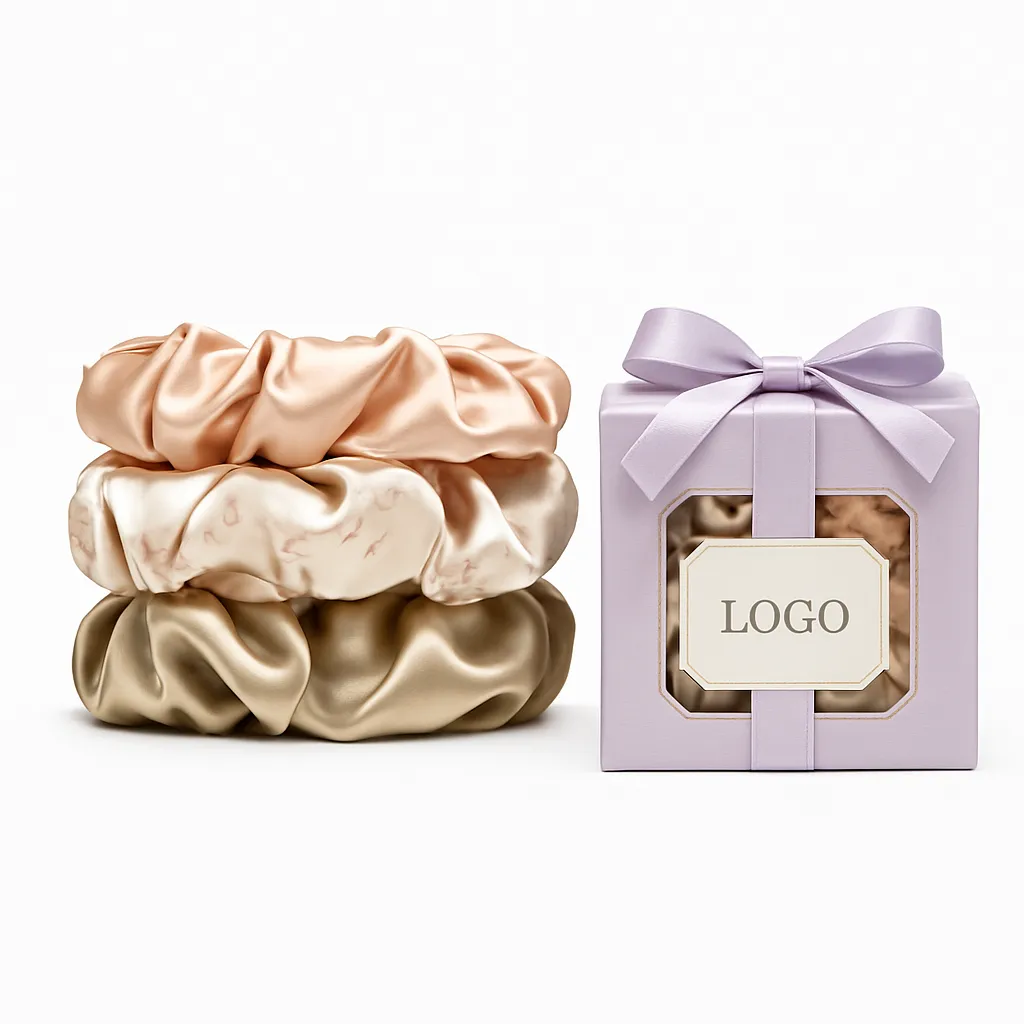
Review the matched product or buyer guide selected in this article.
On this page
Quick answer: A brand cannot tell whether a supplier sample is real mulberry silk or polyester satin, and risks mislabeling its own product. The fix is concrete: ask the supplier for a fiber content report stating the percentage of silk, and request the momme weight in writing. All OlaSilk mulberry silk fabrics are certified to OEKO-TEX STANDARD 100.
What is the problem?
A brand cannot tell whether a supplier sample is real mulberry silk or polyester satin, and risks mislabeling its own product.
Why does it happen?
Satin is a weave, not a fiber, and polyester satin can look glossy and feel smooth. Without a fiber test, a label claim is just a hope, and mislabeling triggers returns and marketplace takedowns.
The step-by-step fix
- Ask the supplier for a fiber content report stating the percentage of silk, and request the momme weight in writing.
- Run a burn test on a sample thread: Real silk smells like burnt hair, self-extinguishes, and leaves a crushable ash; polyester melts into a hard bead and smells chemical.
- Check the hand and sheen on the physical sample: Mulberry silk feels warm with a soft uneven sheen; polyester satin feels slippery, cool, and mirror-bright.
- Request the OEKO-TEX STANDARD 100 certificate, which all OlaSilk mulberry silk holds, and keep it on file for your listings.
- State only the verified fiber and momme on your own product page so the claim is defensible to marketplaces and customers.
What to confirm before production
| Review area | What your brand should check | Why it matters |
|---|---|---|
| Material and momme | Confirm the fiber is mulberry silk and the momme weight fits the product. | Weight and fiber decide hand feel, durability, and honest claims. |
| Color | Approve a dyed lab dip against your Pantone reference under daylight. | Screens shift color; a lab dip shows the true dyed result. |
| Logo and label | Confirm method and exact placement in millimeters on the sample. | Keeps branding consistent without overcomplicating the run. |
| Packaging | Confirm the assembled pouch, insert, and box set on the sample. | Decides whether the item ships shelf-ready or generic. |
| Quantity and timing | Confirm quantity, color route, sampling (~7 days), and bulk (~25 days). | Stock shades can run small (often ~10 pieces); custom-dyed colors carry a higher dye-lot minimum — confirm yours early. |
These are the points to lock on a physical sample before production, because a sample is the visual proof a screen or a photo cannot give.
FAQ: Real Silk Vs Satin questions buyers ask
How do I know if a sample is real silk?
Use a fiber content report and a burn test, check hand and sheen on the sample, and request the OEKO-TEX certificate.
Is satin the same as silk?
No; satin is a weave usually made from polyester, while mulberry silk is a natural fiber, so the fiber content must be verified.
Is OlaSilk silk certified?
Yes; all OlaSilk mulberry silk is certified to OEKO-TEX STANDARD 100, with certificate documents shared at project start.
Ready to solve it on your product?
Share the product, an estimated quantity range, your color reference (Pantone or swatch), logo method, and packaging idea. OlaSilk will confirm a workable minimum for your spec — stock shades can start low, around 10 pieces, while a custom Pantone match carries a higher dye-lot minimum — prepare a sample in about 7 days, and walk the steps above with you before bulk.
Start here: Request support for a custom silk project
Color, hand feel, momme, and how a logo or label sits on the silk should be confirmed on a physical sample before production. The product images here are a visual reference, not a substitute for sample approval.