Mulberry Silk vs Satin: How Brands Tell the Difference Before Buying
Mulberry silk is a natural protein fiber, while satin is a weave that is usually made from polyester. Understanding the difference helps brands avoid mislabeling and ensures customer satisfaction.
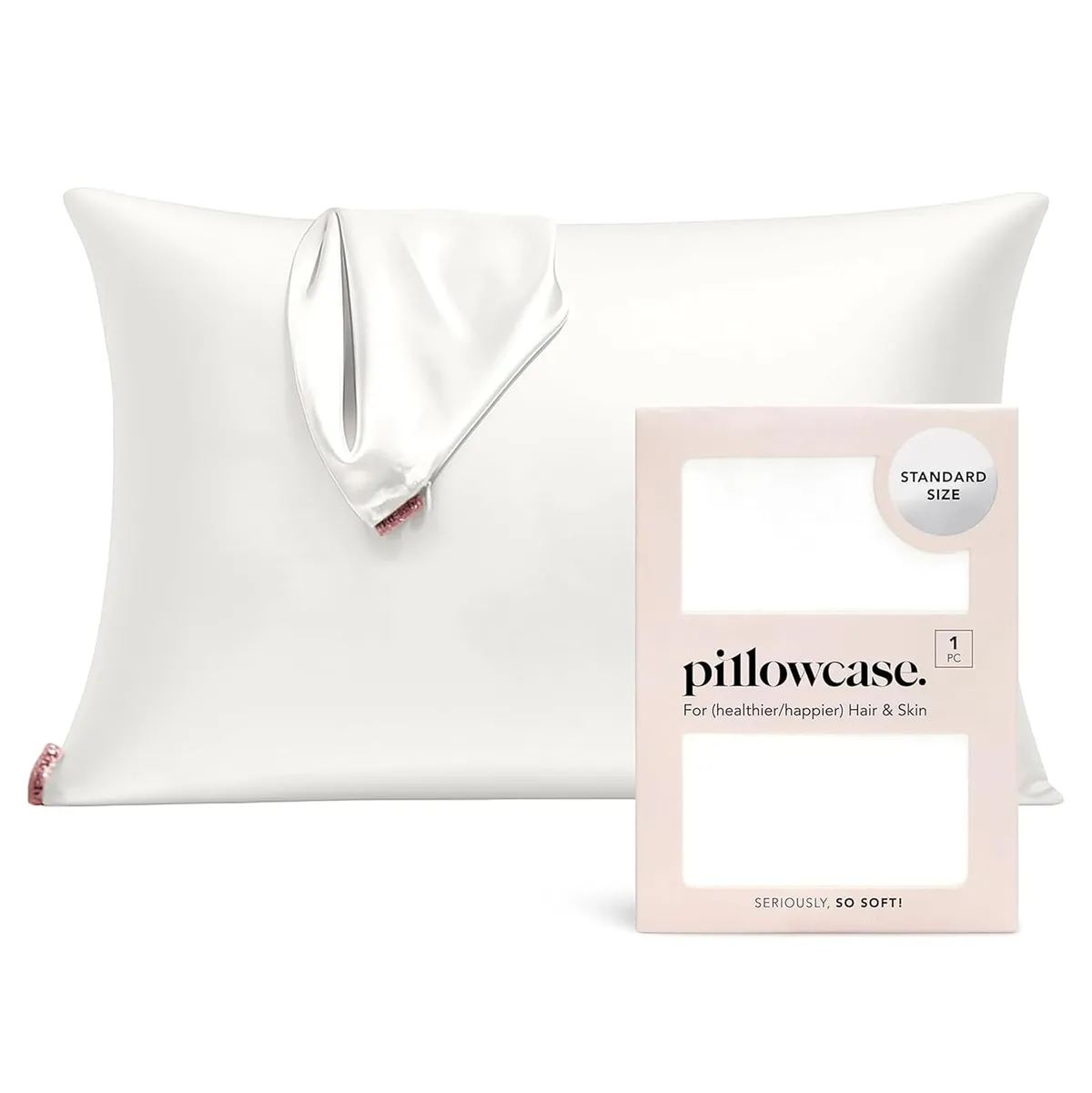
Review the matched product or buyer guide selected in this article.
On this page
Quick answer: Mulberry silk is a natural protein fiber, while satin is a weave usually made from polyester. Understanding the difference is crucial to avoid mislabeling and ensure customer satisfaction. OlaSilk is a B2B private label silk source factory in Qingdao, China, not a retail store, ensuring products are crafted to a brand's specifications and confirmed by physical samples before bulk production.
Is satin the same as silk?
No, and the confusion costs brands. Silk is a natural fiber spun by silkworms, while satin is a weave structure often made from polyester or nylon. A product can be called satin yet contain no silk. Mulberry silk refers to silk produced by Bombyx mori silkworms fed on mulberry leaves, yielding long, fine filaments.
How can a buyer tell them apart?
Natural mulberry silk feels soft and warm with a gentle sheen, while polyester satin feels slippery, cool, and has a shiny, glossy appearance. A burn test and fiber content report are reliable checks. OlaSilk supports material confirmation through physical samples, ensuring brands verify the actual fiber.
Why does distinction matter for private label?
Mislabeling polyester satin as silk can lead to returns, marketplace takedowns, and loss of trust. Wholesale buyers reselling under their brand face these risks. Accurately stating the fiber, the momme weight for silk pieces, and associated testing keeps product claims strong and defensible.
What should be confirmed before production?
Confirm fiber content, momme weight for silk items, color, and finish on a sample. OlaSilk's mulberry silk is certified to OEKO-TEX STANDARD 100, which can be referenced when communicating material safety to your customers.
What to confirm before production
| Review area | What your brand should check | Why it matters |
|---|---|---|
| Material and momme | Confirm the fiber is mulberry silk and the momme weight fits the product. | Weight and fiber affect hand feel, durability, and product claims. |
| Color and finish | Match color to your brand reference and check the finish on real silk. | Screens shift color; a sample reveals the true result. |
| Logo and label | Confirm woven label, embroidery, printed insert, or box logo and its position. | Ensures product alignment with your brand. |
| Packaging | Review pouch, insert, paper box, or gift set direction. | Determines if the item ships as a standalone product, kit, or gift set. |
| Quantity and timing | Confirm order quantity, sampling, and bulk lead time. | Establishes realistic expectations: samples in about 7 days, bulk around 25 days. |
These serve as starting points. Confirm color, hand feel, and branding on real silk through a physical sample before production, offering proof screens or photos cannot.
FAQ
Is mulberry silk better than satin?
They serve different purposes: mulberry silk is a natural fiber, while satin is often a polyester weave. The best choice depends on brand positioning, budget, and product claims.
Can a product be labeled silk if it is satin?
No, labeling a polyester satin product as silk is incorrect. Fiber content must be stated accurately and confirmed by sample.
How is silk content verified?
Silk content is verified by burn test and lab report. OlaSilk allows brands to confirm material on a physical sample before bulk production.
When should you start a sampling inquiry?
A productive inquiry specifies the product, estimated quantity, color direction, logo or label method, packaging idea, and sales channel. With this information, OlaSilk can confirm a minimum from as low as 10 pieces in stock colors (custom Pantone dyeing carries a higher dye-lot minimum), ensuring a realistic sample and bulk timeline. If your product is still at the concept stage, share preliminary details, and the team will suggest starting points before sample preparation.
Start here: Request support for a custom silk project