Retail-Ready Silk Packaging: How to Make a Product Shelf and Marketplace Ready
The silk product itself is fine, but the packaging looks plain and is not ready for retail shelves or marketplace listings. A concrete step-by-step OlaSilk plan for private label and wholesale brands to solve it before bulk.
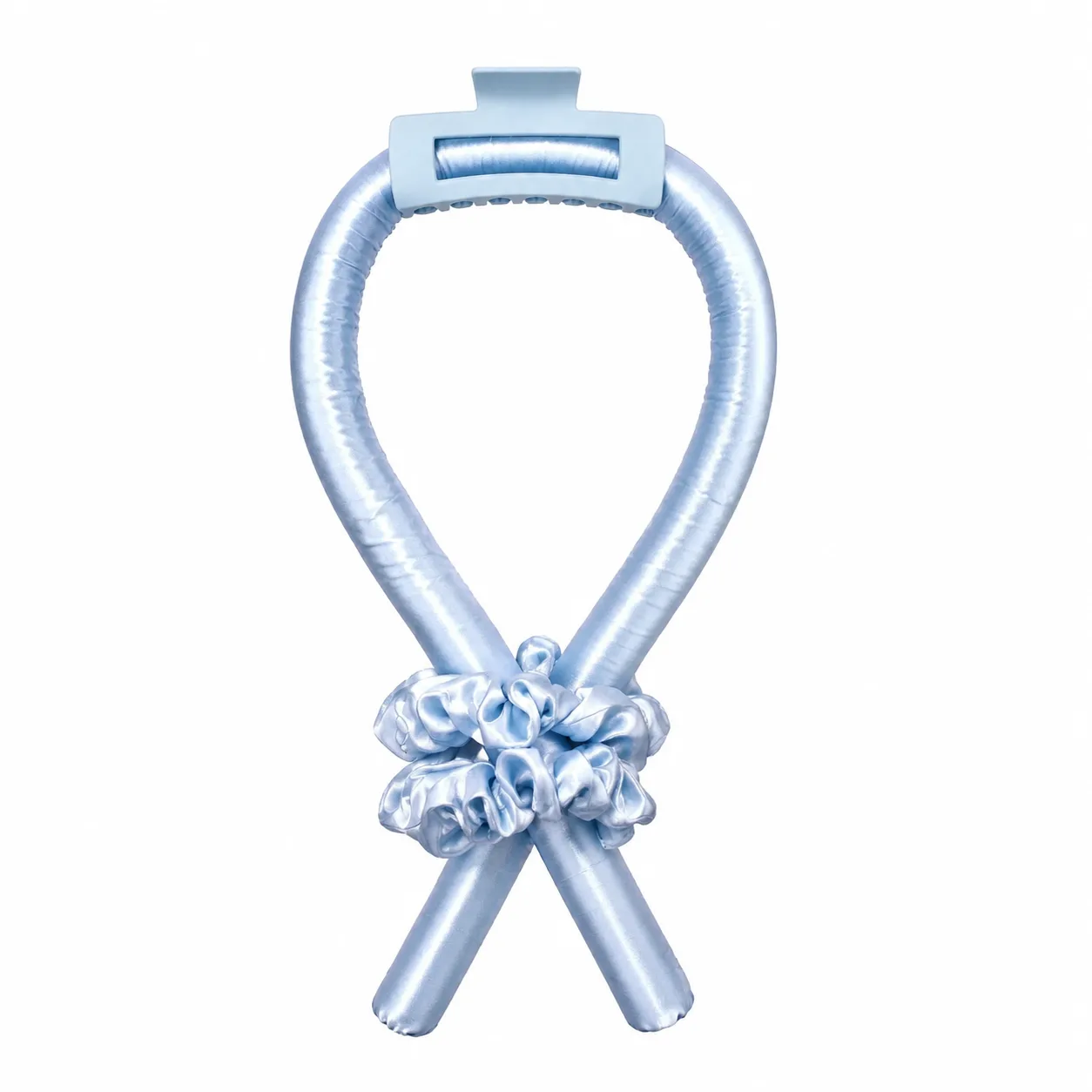
Review the matched product or buyer guide selected in this article.
On this page
Quick answer: The silk product itself is fine, but the packaging looks plain and is not ready for retail shelves or marketplace listings. The fix is concrete: decide the channel first — boutique shelf, marketplace listing, or gift — because each needs different presentation. OlaSilk is a B2B private label silk source factory in Qingdao, China, so each step below is confirmed on a physical sample before bulk. Minimums can start low — often around 10 pieces for a simple spec in a stock shade — while custom dyeing or heavier customization carries a higher minimum; samples usually take about 7 days and bulk around 25 days, confirmed for your project.
What is the problem?
The silk product itself is fine, but the packaging looks plain and is not ready for retail shelves or marketplace listings.
Why does it happen?
Packaging was treated as an afterthought instead of part of the product. Without an unboxing plan, a good silk item arrives in a generic bag and loses its perceived value.
The step-by-step fix
- Decide the channel first — boutique shelf, marketplace listing, or gift — each needs different presentation.
- Build the packaging set: a drawstring pouch to protect the silk, an insert or care card with your brand and washing guidance, and a paper or gift box for retail and gifting.
- Add the finishing details that read as premium: a hang tag, tissue, and a printed box with your logo in the agreed Pantone.
- Confirm the full set assembled on a sample — how the product folds, sits in the box, and presents when opened.
- Plan packaging quantity alongside product quantity, since complex packaging can raise the workable minimum.
What to confirm before production
| Review area | What your brand should check | Why it matters |
|---|---|---|
| Material and momme | Confirm the fiber is mulberry silk and the momme weight fits the product. | Weight and fiber decide hand feel, durability, and honest claims. |
| Color | Approve a dyed lab dip against your Pantone reference under daylight. | Screens shift color; a lab dip shows the true dyed result. |
| Logo and label | Confirm method and exact placement in millimeters on the sample. | Keeps branding consistent without overcomplicating the run. |
| Packaging | Confirm the assembled pouch, insert, and box set on the sample. | Decides whether the item ships shelf-ready or generic. |
| Quantity and timing | Confirm quantity, color route, sampling (~7 days), and bulk (~25 days). | Stock shades can run small (often ~10 pieces); custom-dyed colors carry a higher dye-lot minimum — confirm yours early. |
These are the points to lock on a physical sample before production, because a sample is the visual proof a screen or a photo cannot give.
FAQ
What packaging can OlaSilk add?
Drawstring pouches, insert and care cards, hang tags, and paper or gift boxes, all confirmed on a sample.
How do I make silk packaging retail-ready?
Choose packaging for your channel, build a pouch plus insert plus box set, and confirm the assembled set on a sample.
Does packaging affect the minimum order?
Yes; complex packaging can raise the workable minimum, so plan it alongside product quantity from the start.
Ready to solve it on your product?
Share the product, an estimated quantity range, your color reference (Pantone or swatch), logo method, and packaging idea. OlaSilk will confirm a workable minimum for your spec — stock shades can start low, around 10 pieces, while a custom Pantone match carries a higher dye-lot minimum — prepare a sample in about 7 days, and walk the steps above with you before bulk.
Start here: Request support for a custom silk project
Color, hand feel, momme, and how a logo or label sits on the silk should be confirmed on a physical sample before production. The product images here are a visual reference, not a substitute for sample approval.