Silk Logo and Branding: How to Get Label Placement Right the First Time
Ensure your brand's logo and label are positioned correctly on your silk products with this detailed step-by-step guide from OlaSilk for private label and wholesale brands.
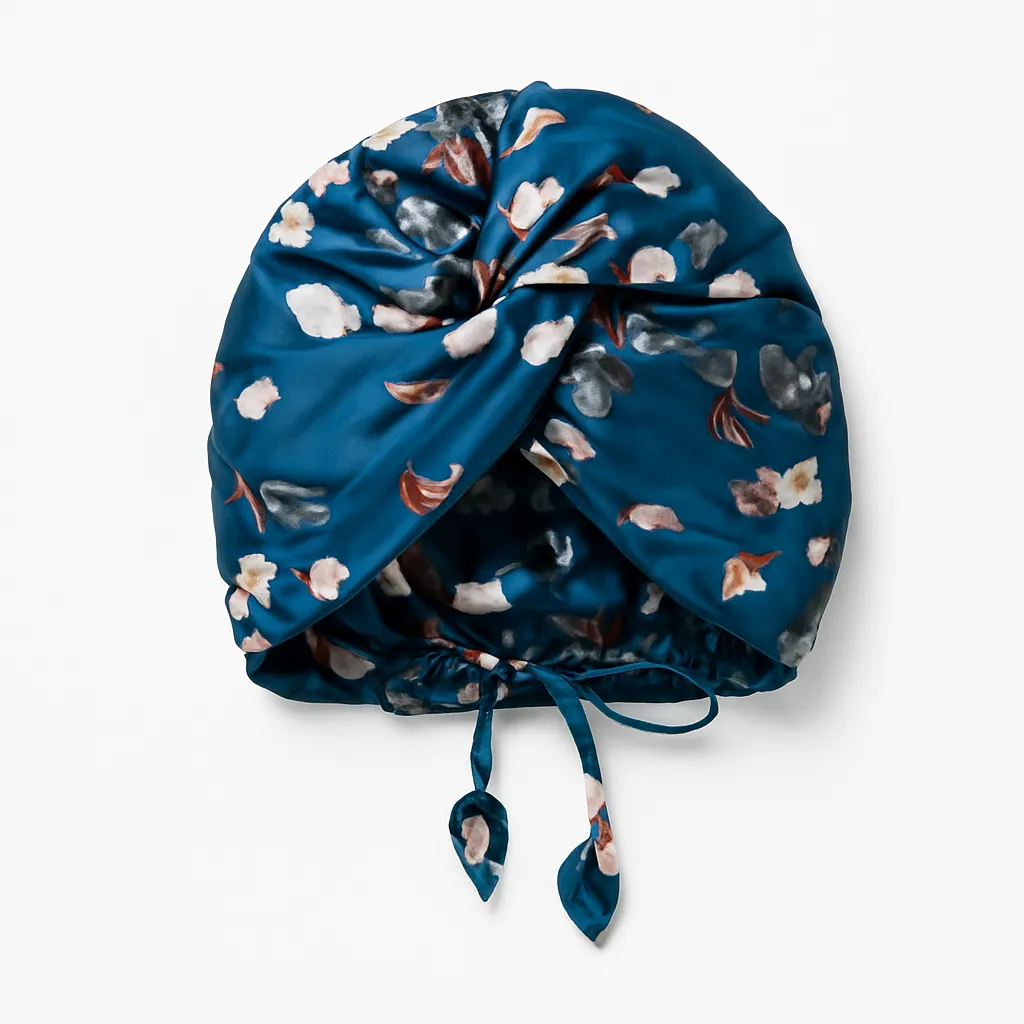
Review the matched product or buyer guide selected in this article.
On this page
Quick answer: If a brand logo or label ends up in the wrong spot or with the wrong method, the product can look off-brand. To fix this, choose one branding method per product: a woven label, embroidery, printed care or brand insert, or a printed gift box. Mixing methods on a first run can add costs and lead to inconsistency. OlaSilk, a custom silk manufacturer based in Qingdao, China, confirms each detail on a physical sample before bulk production.
What is the problem?
A brand logo or label ends up in the wrong spot or uses the wrong method, resulting in an off-brand product.
Why does it happen?
Branding instructions are often conveyed verbally and not confirmed on the actual product. A logo that appears perfect on a flat mockup may not translate well on real silk, and the method (woven, printed, embroidered) significantly alters the appearance.
The step-by-step fix
- Pick one branding method per product: Choose between a woven label, embroidery, printed care or brand insert, or a printed gift box. Mixing methods initially can lead to cost overruns and inconsistencies.
- Specify exact placement in millimeters: For instance, position a woven label 15 mm from the bottom hem, centered, instead of "near the edge."
- Send vector artwork: Provide AI/EPS/PDF files with Pantone colors for the logo, avoiding low-resolution images.
- Approve the method and placement on a physical sample: Ensure it sits and holds well on real silk.
- Lock the approved sample as the branding reference: Ensure that every reorder uses the same method and position.
What to confirm before production
| Review area | What your brand should check | Why it matters |
|---|---|---|
| Material and momme | Confirm the fiber is mulberry silk and the momme weight fits the product. | Weight and fiber determine hand feel, durability, and authenticity. |
| Color | Approve a dyed lab dip against your Pantone reference under daylight. | Screens can skew color; a lab dip reveals the true dyed result. |
| Logo and label | Confirm method and exact placement in millimeters on the sample. | Ensures consistent branding without complicating the run. |
| Packaging | Confirm the assembled pouch, insert, and box set on the sample. | Defines whether the item ships shelf-ready or generic. |
| Quantity and timing | Confirm quantity, color route, sampling (~7 days), and bulk (~25 days). | Stock shades can start low (often ~10 pieces); custom-dyed colors carry a higher dye-lot minimum — confirm early. |
These aspects should be locked on a physical sample, as a sample provides visual proof a screen or photo cannot deliver.
FAQ: Silk Logo Branding questions buyers ask
What logo options can OlaSilk add to silk?
Woven labels, embroidery, printed inserts, and printed boxes, each confirmed on a sample before bulk.
How do I make sure my logo sits right?
Specify the method and placement in millimeters, send vector artwork, and approve it on the physical sample.
Can branding stay consistent across reorders?
Yes; lock the approved sample as the reference so the same method and position repeat on every reorder.
Ready to solve it on your product?
Share your product details, estimated quantity range, color reference (Pantone or swatch), logo method, and packaging idea. OlaSilk will confirm a workable minimum for your spec — stock shades can start low, around 10 pieces, while a custom Pantone match may require a higher dye-lot minimum. A sample is usually prepared in about 7 days, and the steps will be walked through with you before bulk.
Start here: Request support for a custom silk project
Color, hand feel, momme, and how a logo or label sits on silk need confirmation on a physical sample before production.
Color, hand feel, momme, and how a logo or label sits on the silk should be confirmed on a physical sample before production. The product images here are a visual reference, not a substitute for sample approval.